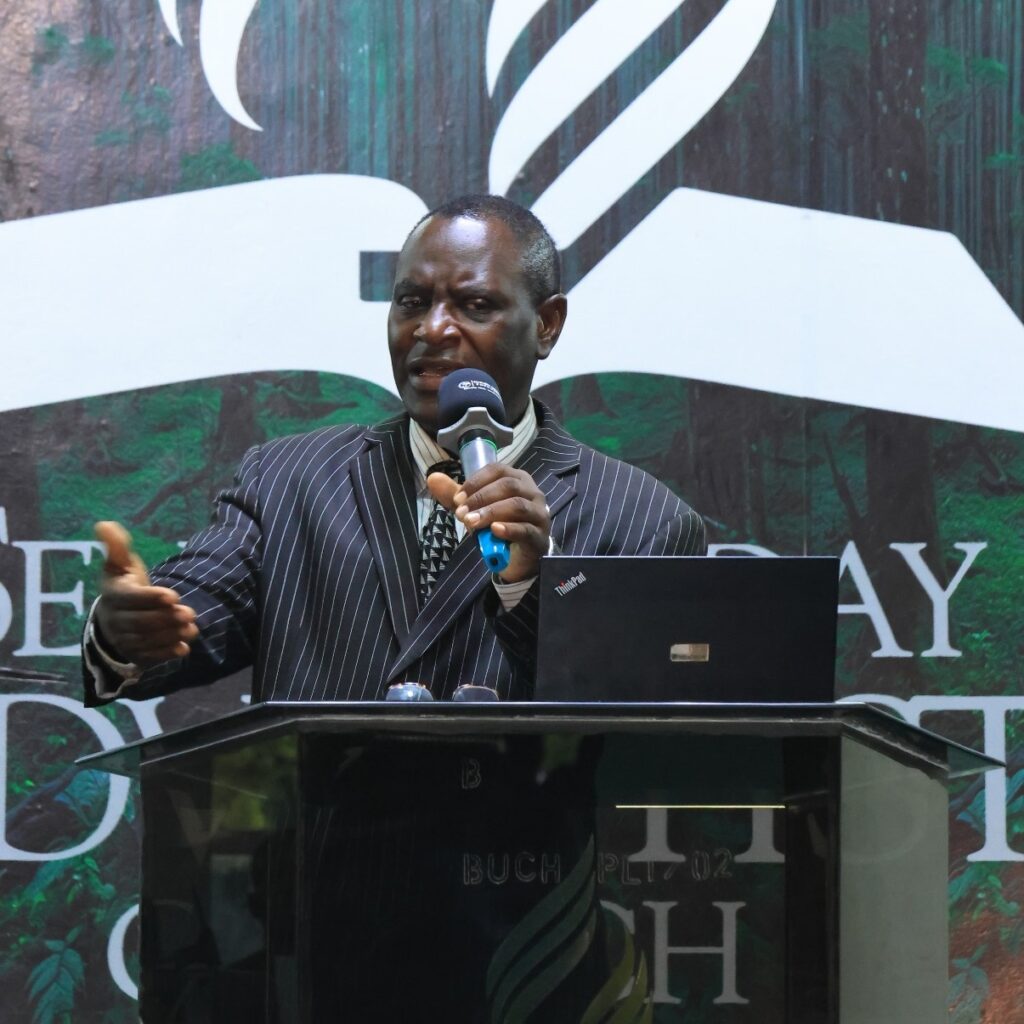
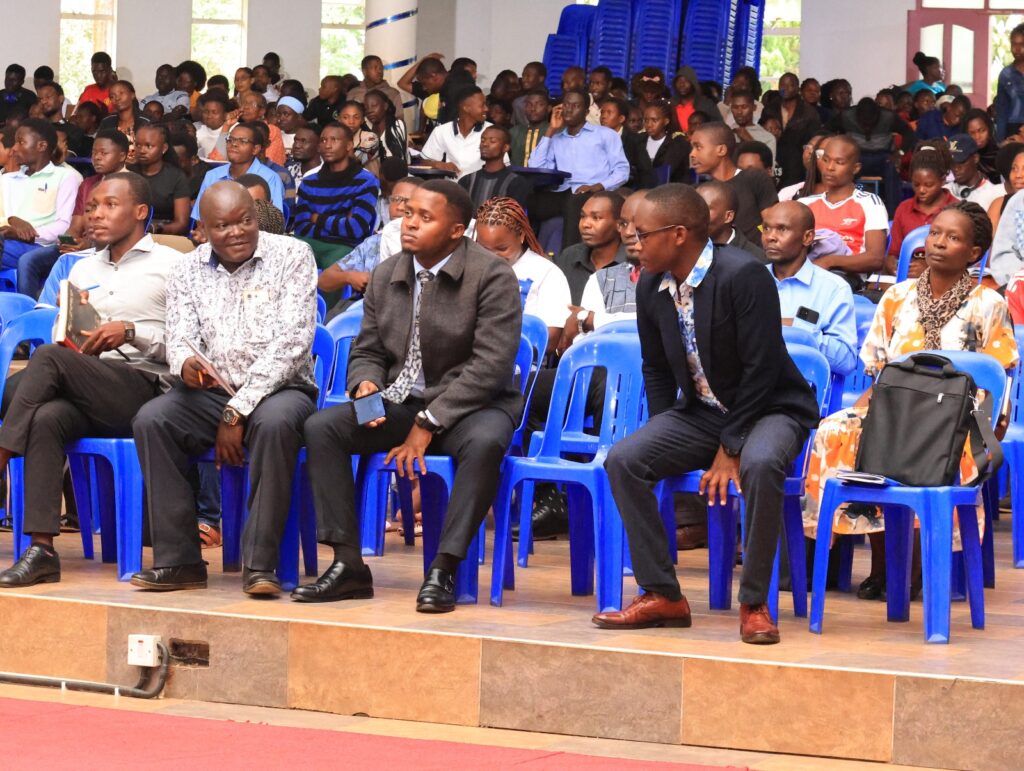
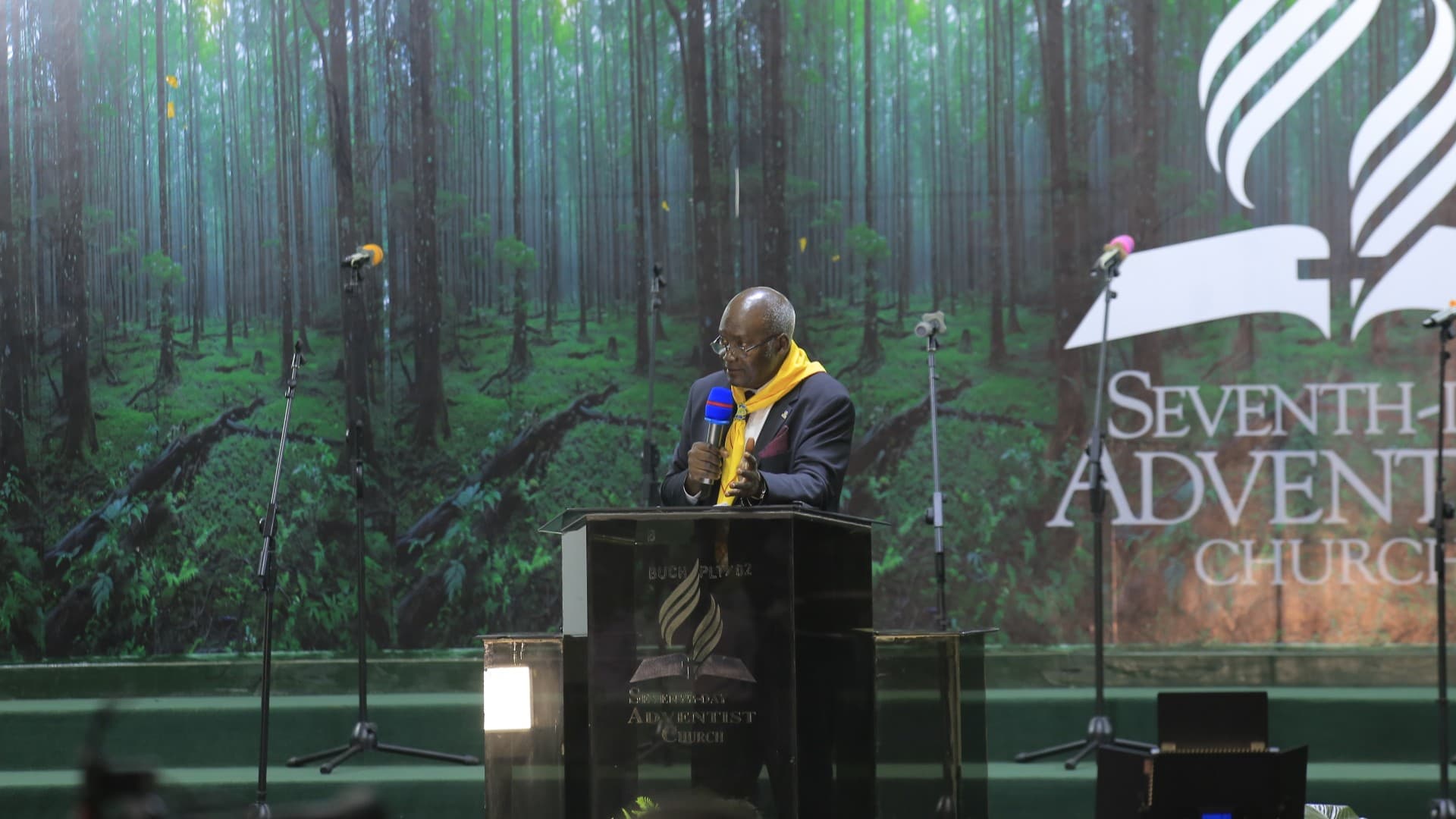
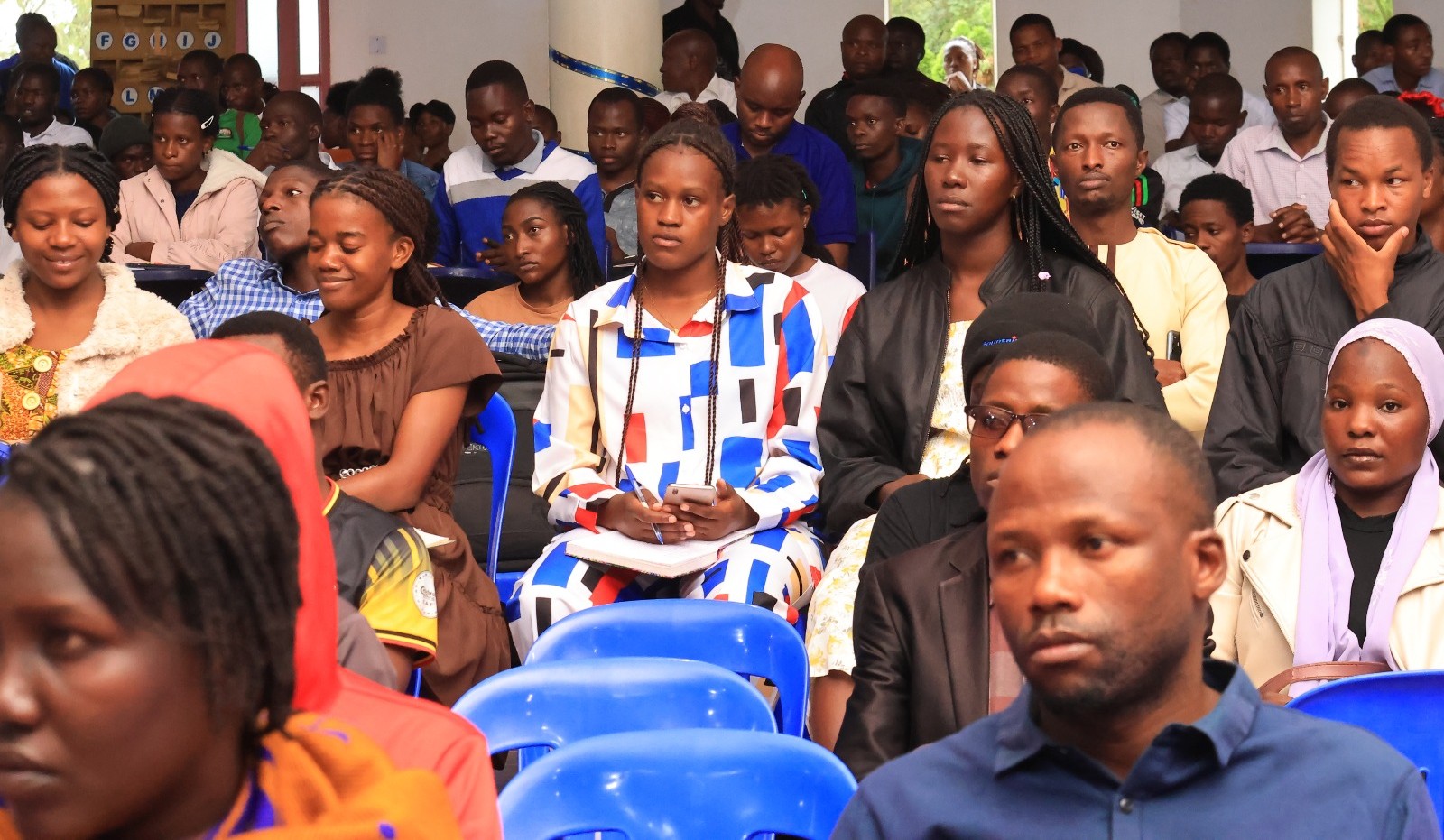
On the 10th of March 2026, the Vice Chancellor of Bugema University delivered a transformative public lecture that challenged the very foundations of modern romantic philosophy, titled “The Horrors of Infatuation: How to Move Forward.” The hallmark of his address was a rigorous rejection of the popular cultural trope that love is an involuntary accident or a “fall” from which one cannot recover. Instead, the Vice Chancellor proposed a far more disciplined and empowering reality: that true love is an upward trajectory of growth, not a downward spiral of loss of control. He argued that the “horror” of infatuation is precisely this “falling” sensation a state of emotional vertigo where the individual surrenders their reason, their values, and their autonomy to a fleeting chemical impulse. By reframing love as a process of growth rather than a sudden collapse, the Vice Chancellor provided the student body with a blueprint for emotional stability, asserting that anything one “falls” into, one can just as easily “fall” out of, whereas that which is grown is rooted in the very soul.
The Vice Chancellor meticulously defined the mechanics of “growing in love” as a conscious, daily investment in the truth of another person, rather than a fixation on an idealized image. He proposed that “falling” in love is frequently a selfish act, a surrender to the pleasure of infatuation, whereas “growing” in love is a selfless exercise of will. To grow in love requires the patience of a gardener; it involves the slow, often difficult work of understanding a partner’s character, supporting their aspirations, and navigating conflicts with grace. The “horror” of the “fall” is its lack of foundation; it is a house built on the sand of hormones and high-intensity emotions. In contrast, growing in love is a house built on the rock of shared values and mutual respect. The Vice Chancellor emphasized that while “falling” requires no effort and carries no long-term security, “growing” requires everything of a person but offers, in return, a bond that is resilient enough to withstand the inevitable storms of life.
In addressing “how to love” and “to be loved,” the Vice Chancellor steered the congregation toward the maturity of being truly known. He explained that to be loved is not to be the object of someone’s temporary obsession, but to be the recipient of their consistent care. He challenged the students to examine their own “falls,” noting that when we fall, we are often bruised and broken by the impact of reality when the initial high wears off. To move forward from these horrors, one must stop seeking the “rush” and start seeking the “roots.” He urged the audience to view love as a spiritual and intellectual climb a journey toward a higher version of themselves. This growth, he noted, is only possible when two people are moving in the same direction toward a common purpose, rather than spinning in the dizzying, closed circle of infatuation.
The lecture concluded with a powerful mandate for the students to reclaim their emotional agency. The Vice Chancellor insisted that the “fall” into infatuation is a choice to let go of the reins of one’s life, whereas the choice to grow in love is a choice to lead one’s life with dignity. By defining love as an upward, intentional path, he removed the “horror” of helplessness that so often accompanies campus romances. To move forward is to stop waiting for a “feeling” to strike and to start building a character that is capable of sustaining a deep, principled commitment. The Vice Chancellor’s message was clear: Bugema University students are not meant to be victims of their emotions, falling aimlessly into the traps of infatuation, but are instead called to be architects of their own hearts, growing steadily into a love that is as enduring as it is divine.











3 comments on “The Architecture of the Heart: Bugema University Vice Chancellor Addresses the “Horrors of Infatuation””
Hello! I realize this is sort of off-topic however I had to ask.
Does managing a well-established website like yours take a large amount of work?
I am completely new to blogging however I do write in my diary every day.
I’d like to start a blog so I can easily share my own experience
and feelings online. Please let me know if you
have any recommendations or tips for brand new aspiring bloggers.
Appreciate it!
Thanks for your review.
Simply desire to say your article is as surprising. The clearness in your
post is just cool and i can assume you are an expert on this subject.
Well with your permission let me to grab your feed to keep updated
with forthcoming post. Thanks a million and please
continue the gratifying work.