The quality of any education system rests on the quality of its teachers. As Uganda moves from content-based to competence-based learning, the institutions that train teachers stand at the very centre of this transition. It is in this spirit that the Ministry of Education and Sports commissioned a national assessment of the readiness of teacher training institutions to adopt and effectively implement Competence-Based Education and Training (CBET), and Bugema University was among the selected universities to take part.
At its heart, CBET shifts the focus of learning from what students know to what they can do. Knowledge, skills, values, and attitudes are developed together and applied to real-life situations, while assessment moves beyond final examinations to the continuous evaluation of demonstrated competences. For teacher education, the implications are significant: future teachers must not only understand the competence-based approach but also model it confidently in their own classrooms.
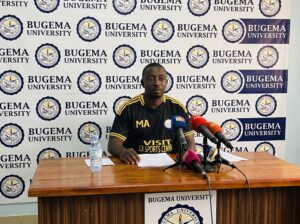
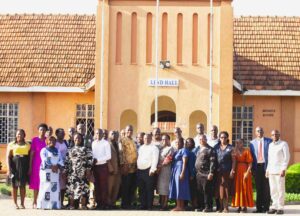
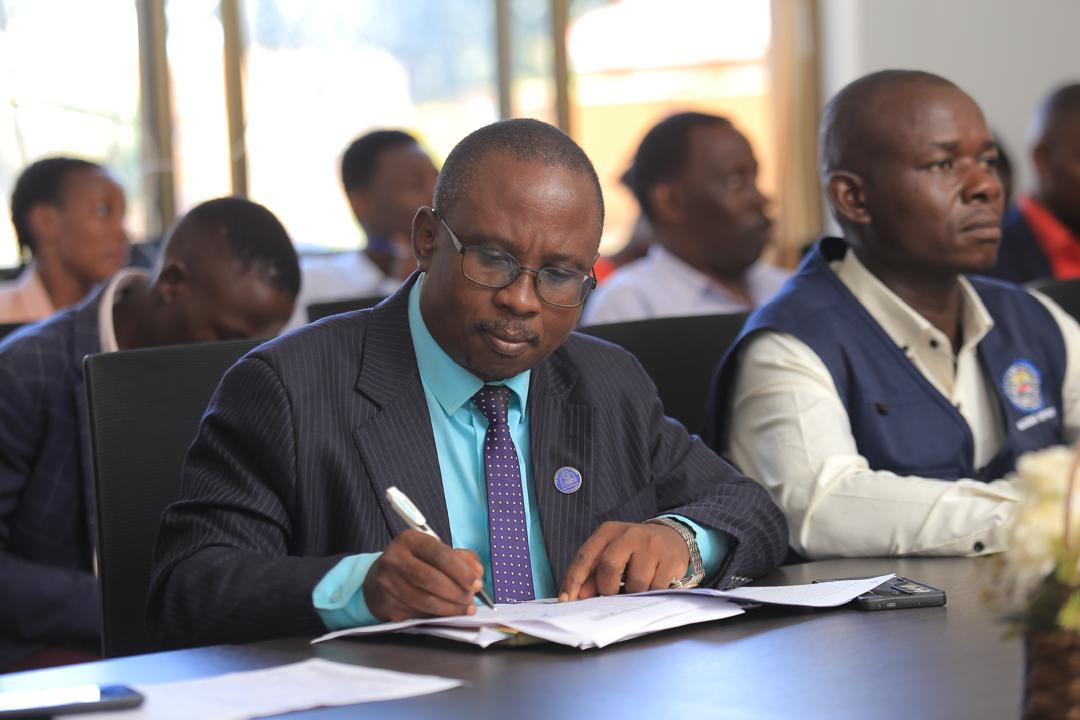
To understand how well institutions are prepared for this change, the Ministry engaged a research and consultancy team to carry out the assessment on its behalf, with the national exercise beginning on Friday, 23 October 2026. The team, led by Dr. Edward Kansiime, Senior Lecturer at Makerere University and Adjunct Scientist with the African Institute for Capacity Development (AICAD), visited Bugema University on Wednesday, 28 October 2026, where they were received by the University Public Relations Officer, Ms. Sandra Ssali. The visit sought to establish the current state of CBET preparedness, identify institutional strengths and gaps, and determine the technical, human, infrastructural, and financial support required for a successful transition.
A notable feature of the visit was the team’s engagement with students. The assessors held discussions with different categories of students drawn from various departments and schools across the University, giving learners a direct voice in an exercise that will shape their education. These conversations offered valuable insight into how teaching, learning, and assessment are experienced in practice, complementing the team’s review of institutional documents and its wider consultations.
For Bugema University, this exercise was both an honour and an opportunity. It offered an objective view of the University’s preparedness, affirmed the strengths of its teacher education programmes, and pointed to areas that call for further investment. Beyond the institution, the findings will guide the Ministry’s planning, policy direction, and targeted interventions, helping universities meet CBET requirements through a coordinated and evidence-based approach. The assessment also aligns with Bugema University’s commitment to wholistic education, as competence-based training, with its emphasis on practical skills, character, and service, reflects the University’s long-standing mission to prepare graduates who are both competent in their professions and committed to their communities.
The visit lasted a single day, but its significance reaches far beyond it. Competence-based education will not succeed on policy alone; it will succeed in lecture rooms, practice schools, and classrooms, through teachers who are prepared to make it real. By welcoming the assessment and opening honest conversations with its students and staff, Bugema University has positioned itself not merely to meet the demands of CBET, but to lead in them. If the quality of an education system truly rests on the quality of its teachers, then preparing those teachers well is among the most important work any university can do, and it is work Bugema University stands ready to embrace.