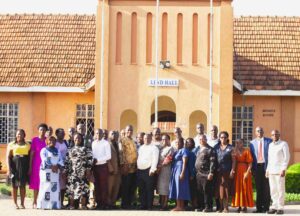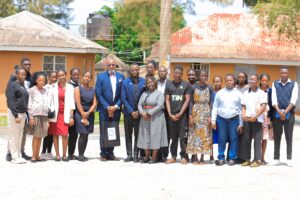
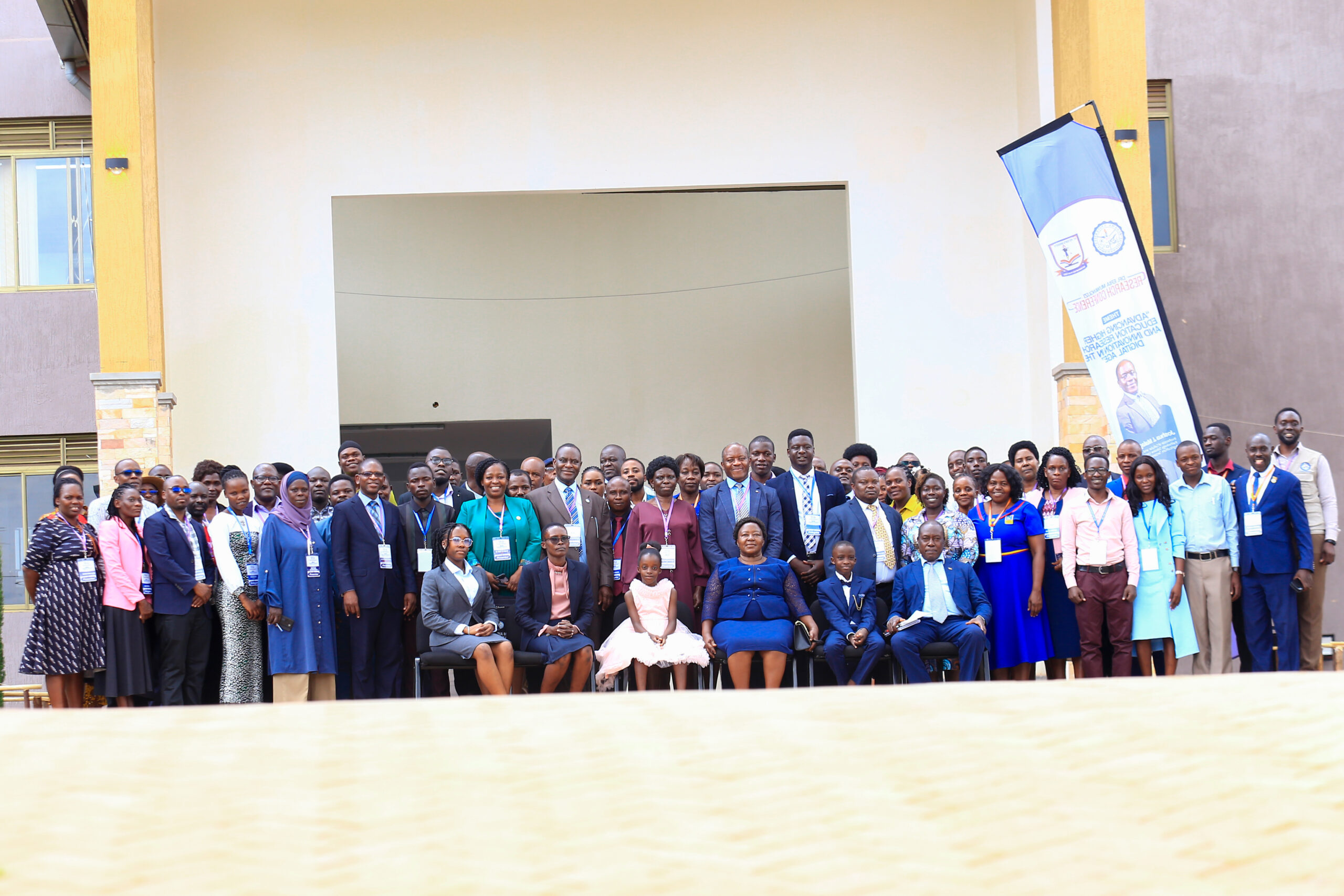
More than 80 delegates gathered at Bugema University’s Science Complex for three days at the end of August to deliver over 40 research papers at the first Dr. Eria Muwanguzi International Research Conference, which organizers claim was born out of sadness and is meant to last. The conference, held from August 30 to September 1 under the theme “Advancing Higher Education Research and Innovation in the Digital Age,” was jointly organized by Bugema University and St. Peter’s University, Bombo, in memory of Dr. Eria Muwanguzi, who served as Bugema’s Director of Research, Publication, and Funding and St. Peter’s University’s founding Deputy Vice Chancellor before his death in February this year.
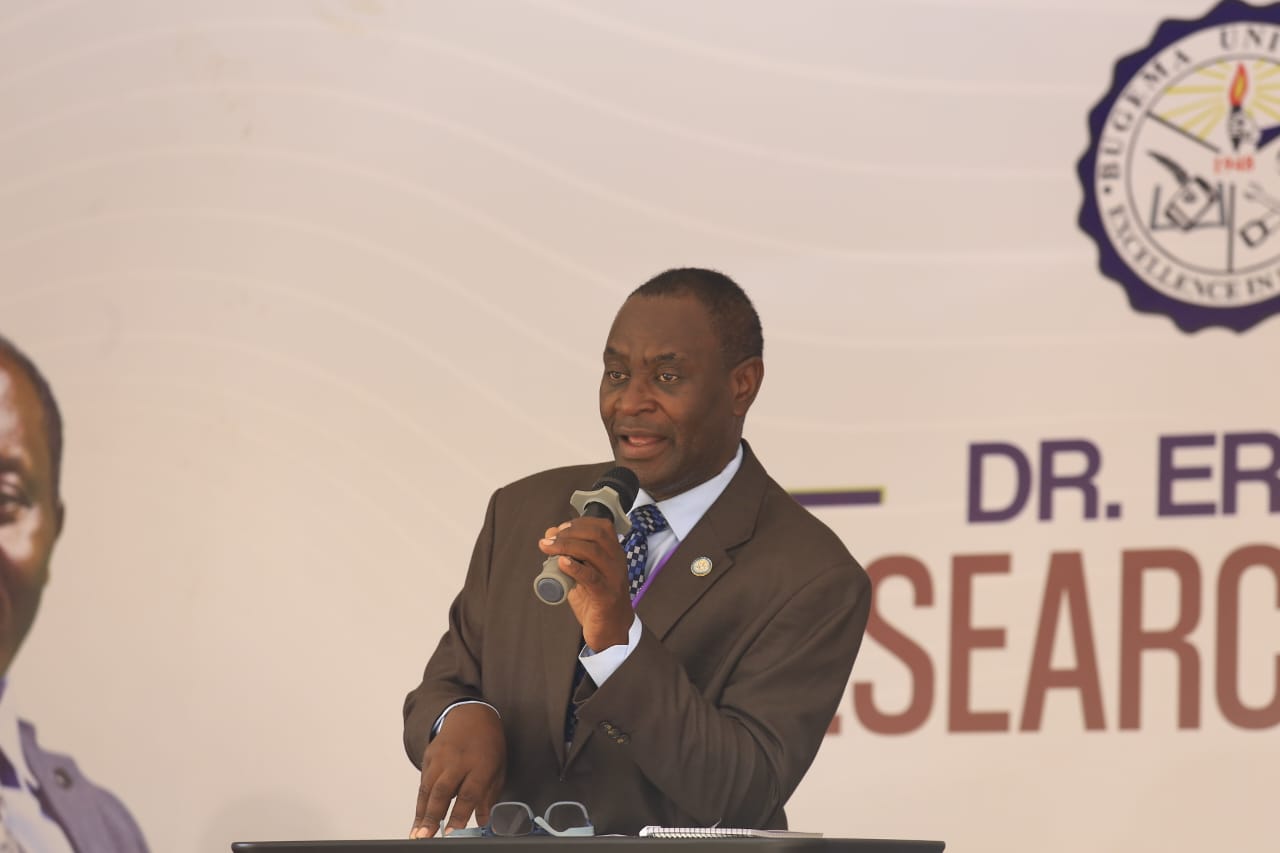
Prof. Israel Masiko Kafeero (Vice Chancellor Bugema University)
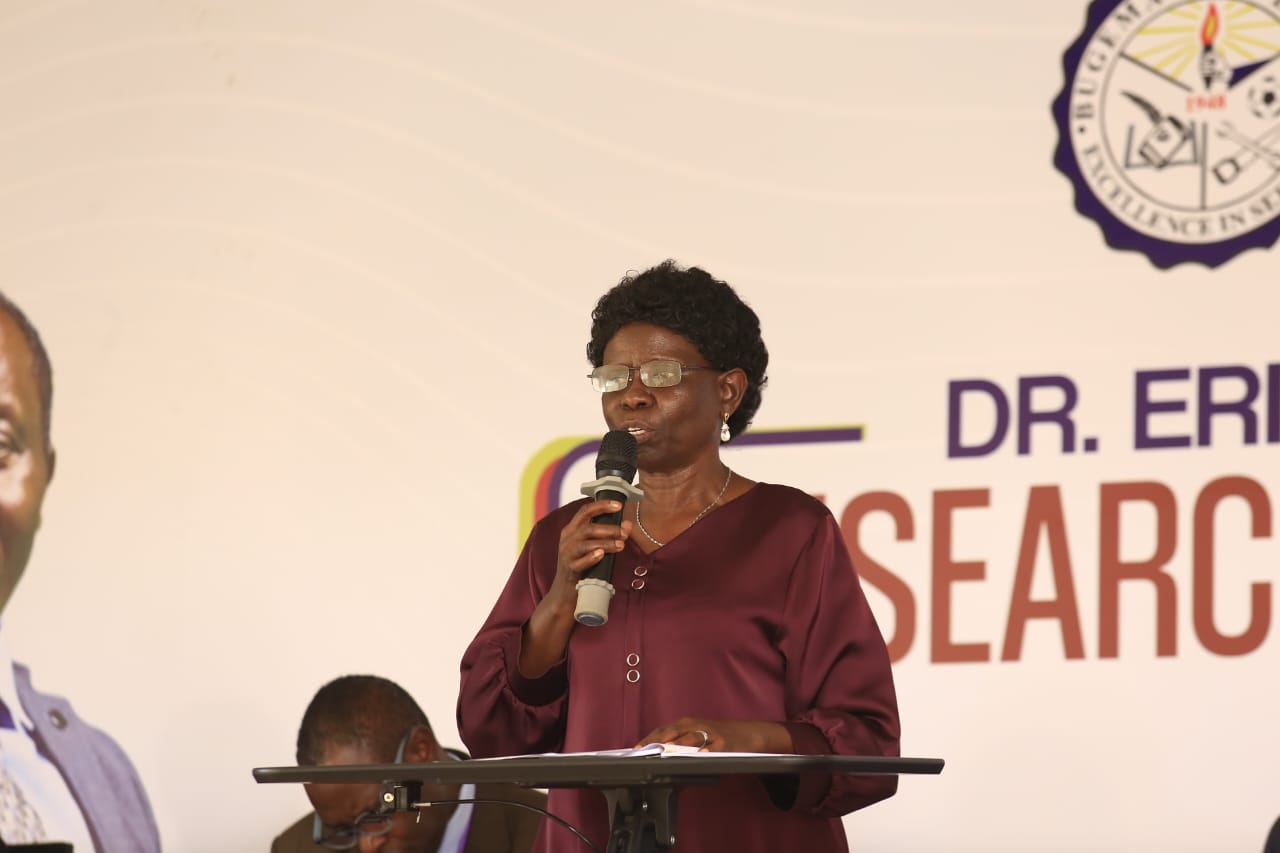
Dr. Dorothy Businge Kakongoro Kabugo (Vice Chancellor St. Peter's University)
Opening the conference, Bugema University Vice Chancellor Prof. Masiko I. Kafeero told delegates that Dr. Muwanguzi’s “legacy of scholarship, mentorship and commitment to academic excellence continues to inspire Bugema University,” recalling that when Dr. Muwanguzi joined the institution, “he embraced Bugema University’s mantra ‘excellence in service’ and he excelled in research.”
Kafeero, who also holds the title of University Council Secretary, urged participants to “let Dr. Muwanguzi’s example of diligence and service guide your deliberations” over the two days of presentations that followed, welcoming scholars to Bugema, which he described as the “Mother of Professionalism” and expressing hope that the conference would be “intellectually stimulating, professionally enriching and personally rewarding.”
St. Peter’s University Vice Chancellor Dr. Dorothy Businge Kakongoro Kabugo offered a fuller account of how the conference came to exist. “The idea of this annual event was born in February 2026 at the demise of Dr. Eria Muwanguzi,” she said, noting that both universities agreed to jointly organize the gathering as we advance in recognition of his contribution to research and publication. She called Bugema’s hosting of the first edition “a demonstration of sealing the collaboration between the two universities.”
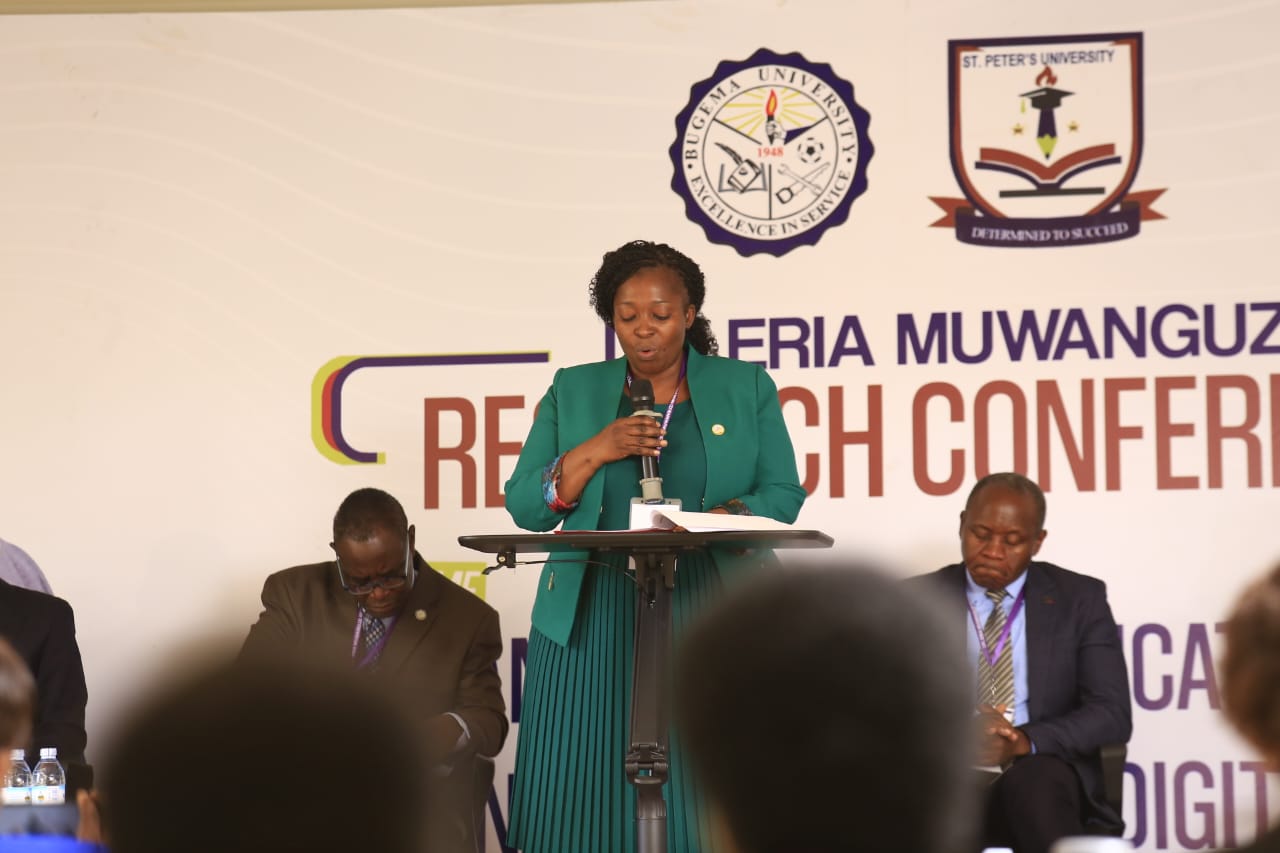
Dr. Rosette Kabuye Nabyoga (DVC-Academics Bugema University)
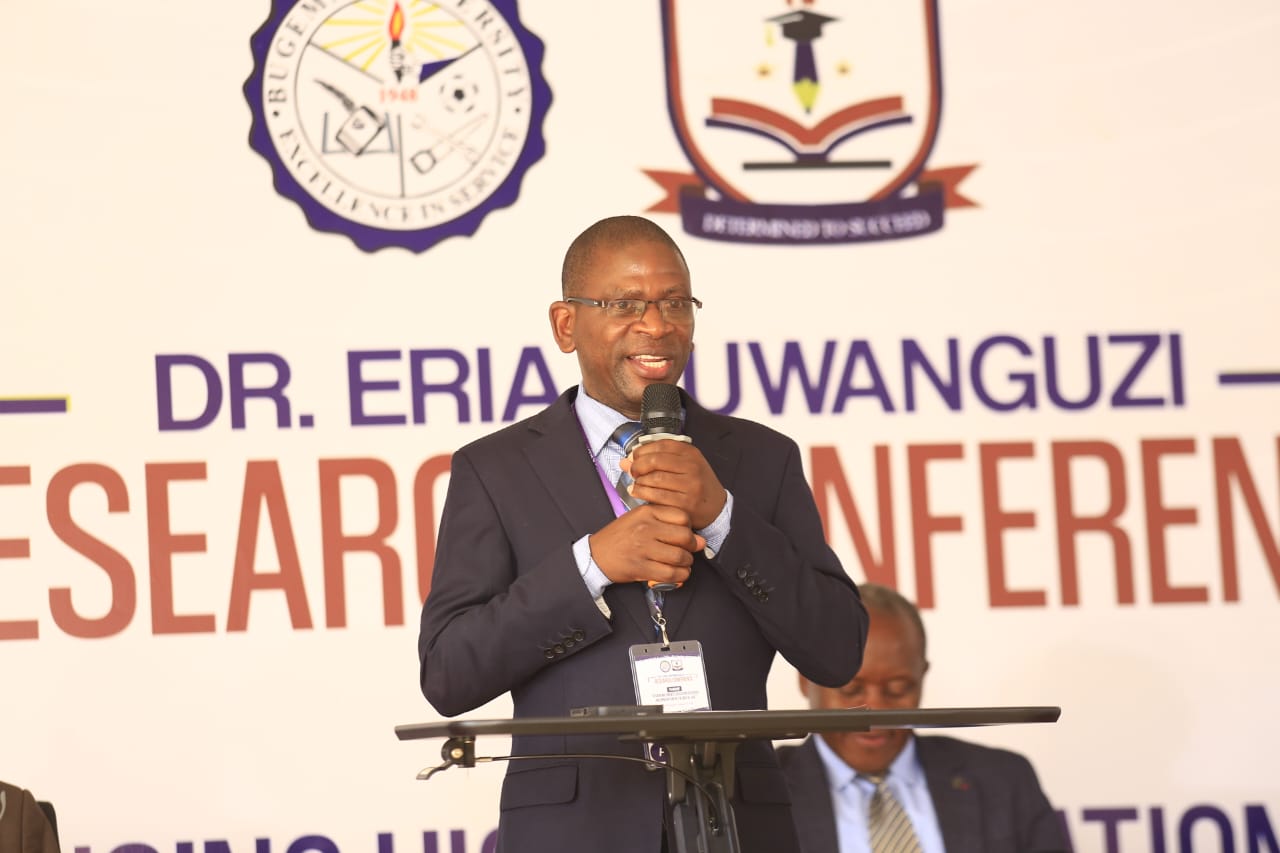
Dr. Baraka Manjale Ngussa (Research Director Bugema University)
Bugema’s Deputy Vice Chancellor for Academic Affairs, Dr. Rosette Nabyoga Kabuye, echoed that sense of continuity, telling delegates the conference honored Dr. Muwanguzi’s “vision that research should serve society by generating knowledge, informing policy, inspiring innovation and improving lives.”
For Bugema’s Director of Research, Publication and Funding, Dr. Baraka Manjale Ngussa, the conference was as much about the future as about tribute. Welcoming “our dear brother and colleague” scholars from across the region, Ngussa announced that the university had “just inaugurated five academic journals” through which some of the papers presented at the conference would be published, subject to peer review.
“Your coming here should be the beginning of our long-lasting partnership, particularly in research and publication endeavors,” he told delegates, encouraging them to submit their work and bring others into the fold “as we create and disseminate knowledge together.”
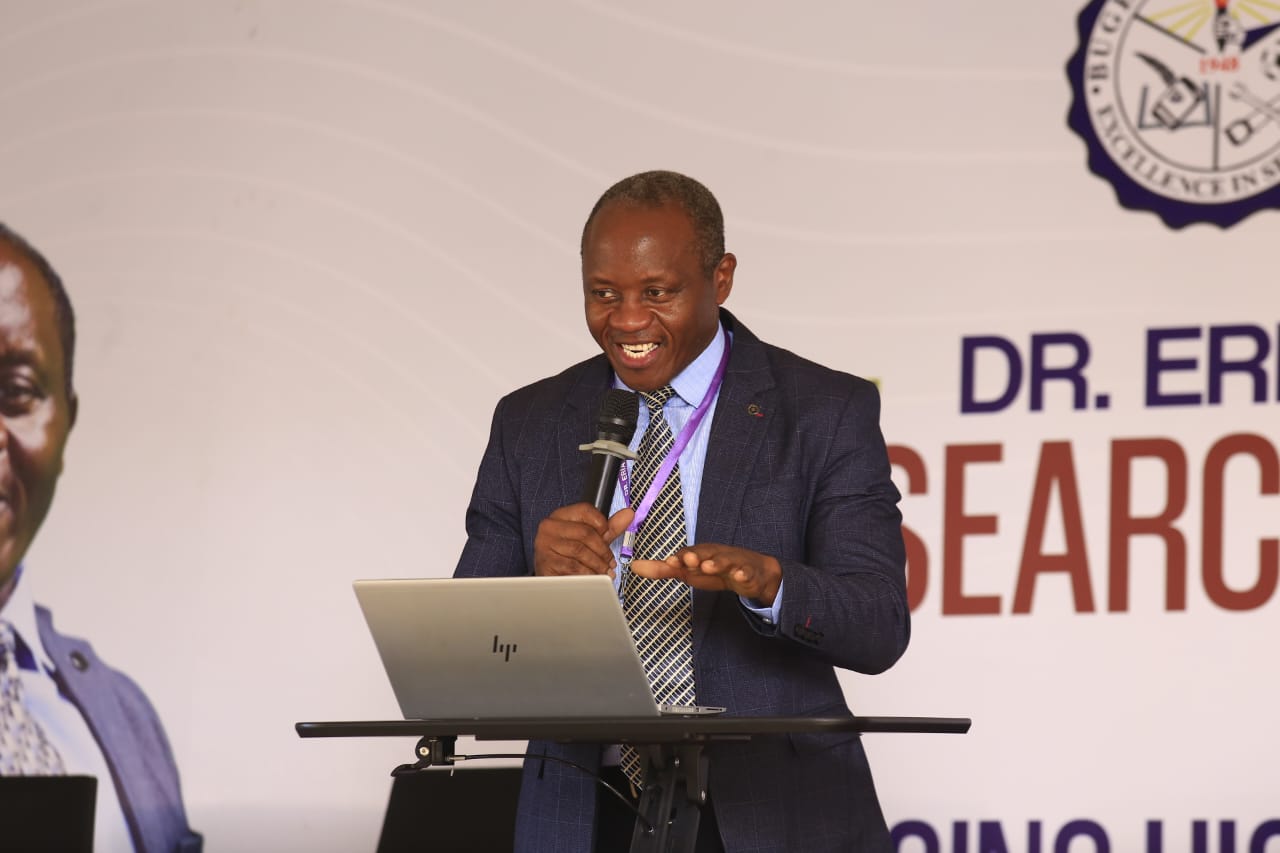
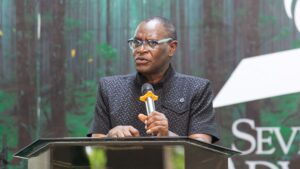
Prof. Joshua Joseph Malago (Keynote Speaker)
Prof. Joshua Joseph Malago, a Professor of Immunology in the Department of Veterinary Anatomy and Pathology at Sokoine University of Agriculture in Tanzania, delivered the scientific centerpiece of the two days. Prof. Malago holds a PhD in Cellular Pathology from Utrecht University in the Netherlands and has published more than 50 peer-reviewed papers, 10 book chapters, and four scholarly books with Springer and Nova Science Publishers.
Across his two keynote addresses “Advancing Higher Education Research and Innovation in the Digital Age” on day one, and “Contribution of Artificial Intelligence in Understanding the Protective Role of Gut Microbiota” on day two Prof. Malago walked delegates through his research on how early childhood exposure to gut microbiota helps confer immunity later in life, and how the body’s heat shock response protects against common gut disorders by guarding against pathogenic invasion and tissue damage.
He opened with a note of gratitude and humility that set the tone for the conference:
“I must thank the professors for their kind invitation, for thinking of me, that I could come and share the little science we have. I call it ‘little science’ because science is enormous, and with AI and technology going on at the moment, we really know nothing. We have to humble ourselves to learn more.”
Delegates also heard from devotional speaker Dr. Alexander Mwita, Dean of Bugema’s School of Theology and Religious Studies, whose morning reflections grounded each day’s proceedings in Scripture as, in his words, the church’s “storehouse of facts” for navigating a fast-changing world.
Beyond the keynotes, the conference’s real weight showed up in its breakout sessions. Across seventeen sub-themes from artificial intelligence and competence-based curriculum to digital ministry and pastoral practice, telemedicine, digital agriculture, sustainable food systems, decolonizing knowledge, and parenting and child protection in the digital era, researchers from Bugema, St. Peter’s, Kampala International University, Makerere, Sokoine, Karatina University in Kenya, Rusangu University in Zambia, and institutions in Cameroon and Nigeria presented more than 40 papers over two days.
A round table on “Artificial Intelligence in Research and Academic Writing: Opportunities, Challenges and Ethical Dilemma” and a plenary session on AI’s role in teaching and academic productivity in African universities drew some of the liveliest discussions, organizers said, reflecting how central the technology has become to the conference’s own theme.
Target participants for the gathering, according to conference organizers, included vice chancellors, deans, researchers, doctoral and master’s students, EdTech companies, NGOs, government ministries, and religious and faith-based education leaders a cross-section, they said, of who needs to be in the room as higher education adapts to the digital age.
The conference closed on September 1 with certificates and awards presented to participants, followed by closing remarks from both vice chancellors and a closing prayer. Organizers say the gathering, now expected to run annually, reaffirmed Bugema and St. Peter’s shared commitment to building a research culture strong enough to carry Dr. Muwanguzi’s name forward, one conference at a time.